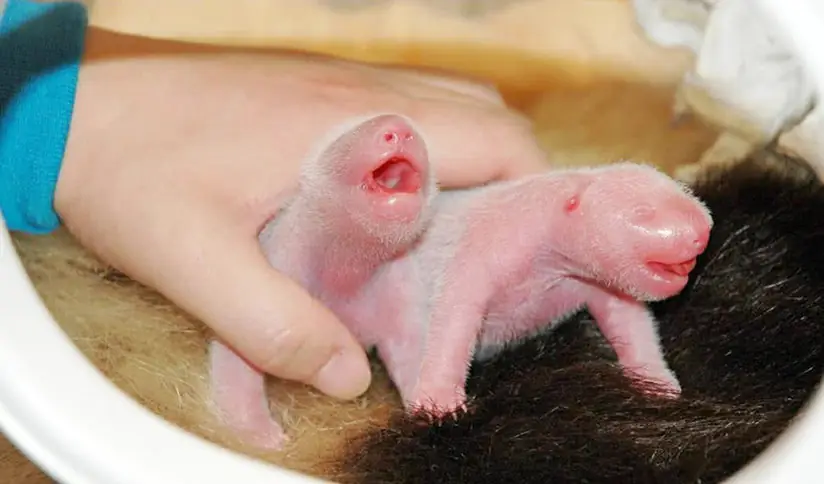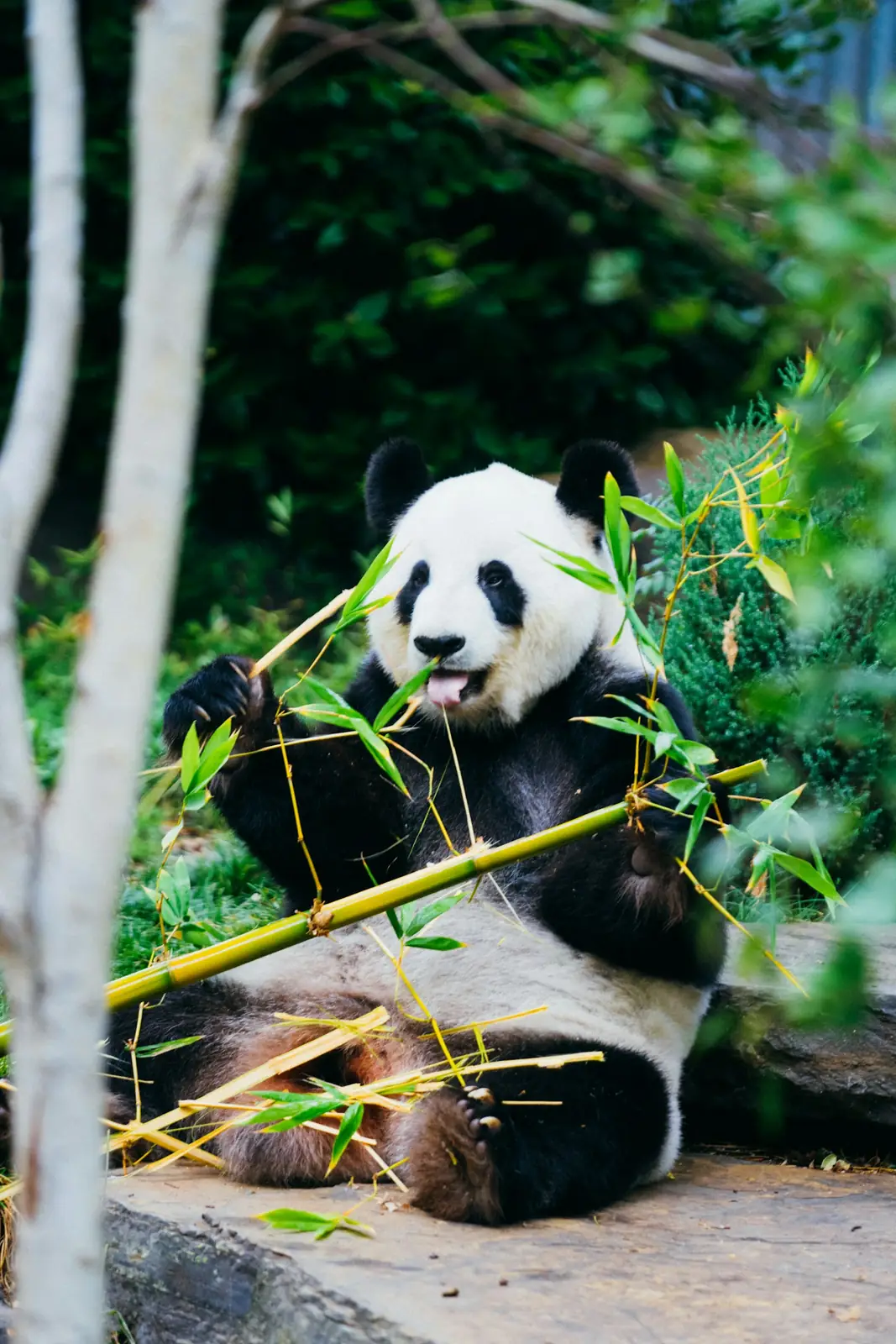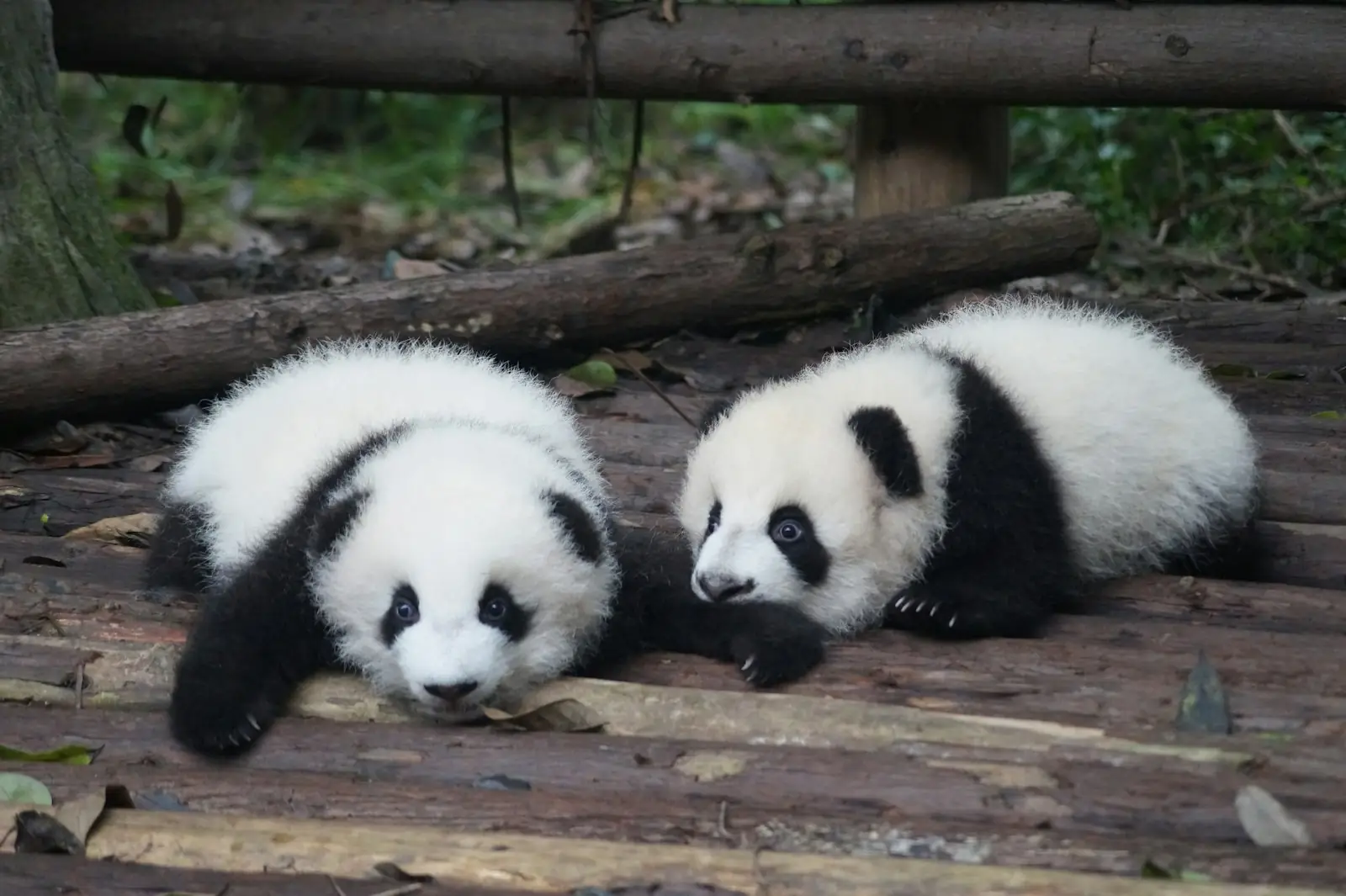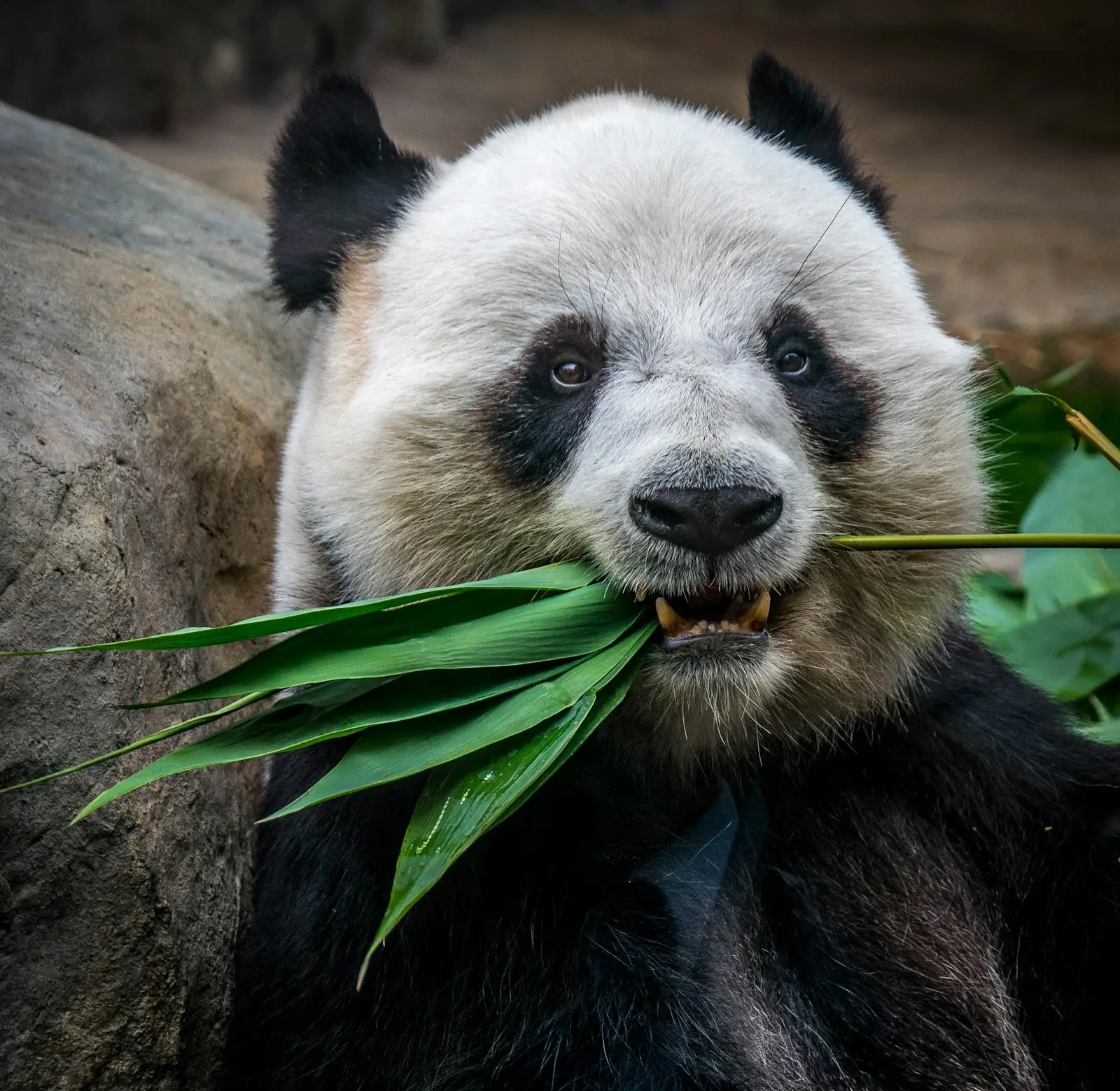
"The panda is possibly the most powerful conservation icon in the world."
- Sir David Attenborough
The Giant Panda
Ailuropoda melanoleuca
Most pandas are owned by China via 10-year loan agreements (~$1M/year). Cubs born abroad must typically be returned to China within 2-4 years.
Click a slice to see facilities
Flag size reflects panda population
Breeding program acceleration over 3 decades
From the brink of extinction to a symbol of hope
The World Wildlife Fund adopts the giant panda as its iconic logo, making it a global symbol of conservation.
China establishes the Wolong National Nature Reserve, the first dedicated panda protection area in Sichuan province.
Chinese researchers begin making progress in captive breeding programs, a crucial step for species recovery.
China launches the National Conservation Project for the Giant Panda and its Habitat, protecting 1.4 million acres.
The third national survey counts 1,596 wild pandas, evidence that conservation efforts are working.
The IUCN downgrades the giant panda from "Endangered" to "Vulnerable", a monumental conservation achievement.
China officially establishes the Giant Panda National Park, connecting 67 existing reserves across 10,500 sq miles.
China's State Forestry Administration reports approximately 1,900 wild and 808 captive pandas, the highest numbers ever recorded.
In 2016, giant pandas were reclassified from Endangered to Vulnerable. China's Giant Panda National Park (est. 2021) protects 10,476 square miles of habitat, three times the size of Yellowstone. 67 reserves now protect 66% of all wild pandas. This is what happens when the world decides to care.
"Every bamboo forest we protect is a home we save. Every dollar donated is a step toward a future where pandas thrive, not just survive."
Support the World Wildlife Fund's Giant Panda program, protecting habitats and funding research.
Symbolically adopt a giant panda through WWF. Your support funds conservation on the ground.
Support accredited zoos that fund breeding programs. Your ticket helps keep pandas thriving in the wild.
Share this site. Talk about pandas. Awareness is the first step toward action. Every voice matters.
🎉 The Good News
In 2016, giant pandas were reclassified from Endangered to Vulnerable. China's Giant Panda National Park (est. 2021) protects 10,476 square miles of habitat, three times the size of Yellowstone. 67 reserves now protect 66% of all wild pandas. This is what happens when the world decides to care.